VR · Culture · Education
The Lotus Project
Increasing cross-cultural literacy for a more united global society.
The Lotus Project is an immersive cultural learning platform that recreates ancient Nalanda in VR so people can experience history in first person, question shallow narratives, and build real cross-cultural understanding.
The gap
When cultural literacy is thin, stereotypes rush in. Static lessons and endless feeds flatten millennia of tradition into trends—while millions searching for their own histories find bias, noise, or silence.
TikTok trends are shaping the fabric of humanity.
Our answer
A VR journey through Nalanda—one of the world’s first universities—where each space reveals another thread of South Asian history. No slides to copy: you learn by observing, the way travel teaches.
Immersive learning has serious research behind it—from labs like Stanford’s Virtual Human Interaction Lab exploring empathy, presence, and retention in VR.
85%
of deals fail partly due to cultural insensitivity.
93%
of UNESCO Member States embed culture in sustainable development plans.
Presence, not pixels
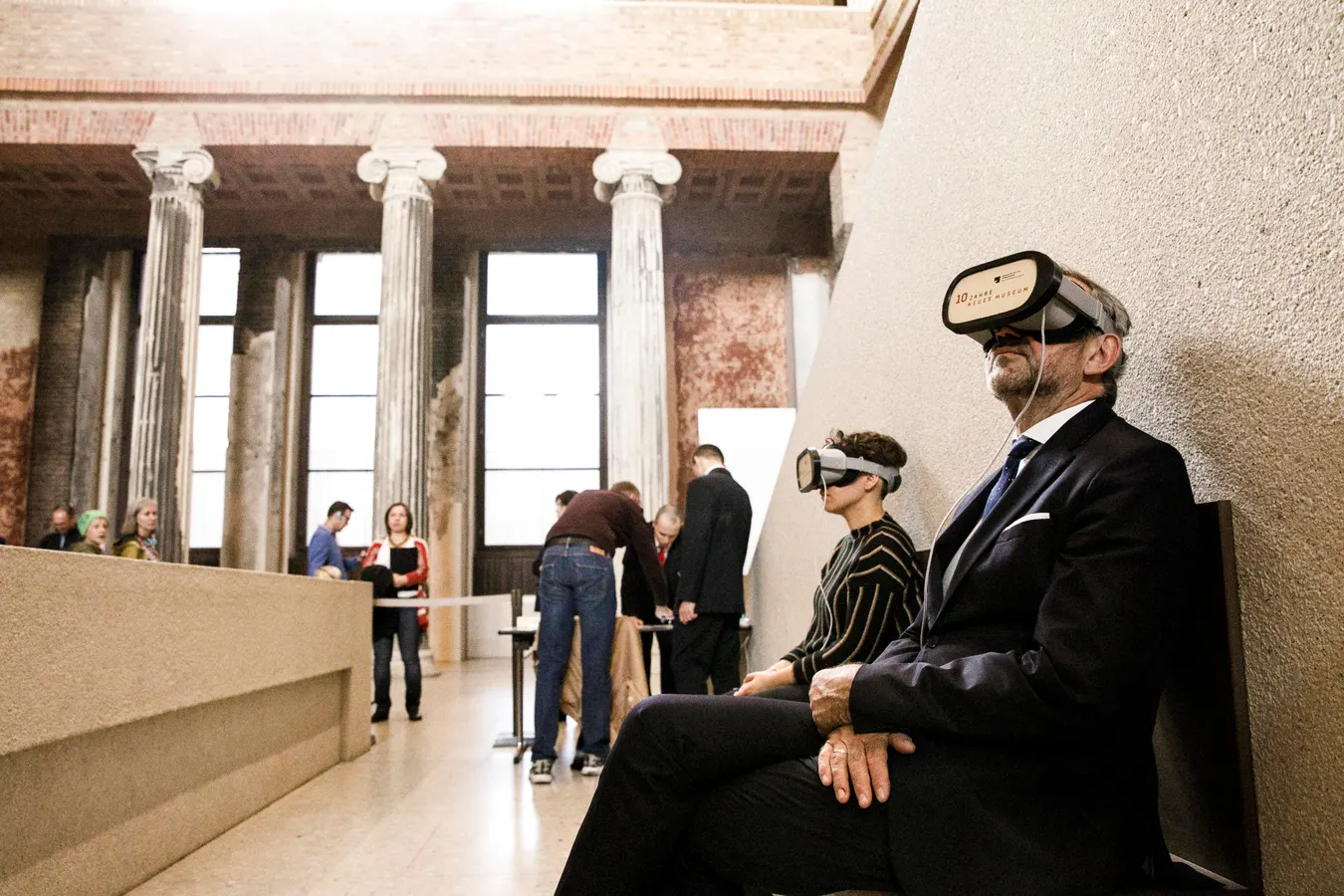
Museums, books, and video often keep us at a distance—third-person glimpses of someone else’s world. VR invites first-person presence: your mind treats the encounter more like lived experience, which is why story and empathy can land differently.

Why Nalanda
Ancient Nalanda stands for curiosity at civilizational scale—a university where ideas traveled across continents. Rebuilding it in VR is our metaphor for opening doors that curricula barely crack.
Read: how immersion changes what sticks →The experience
From headset to insight—four beats visitors recognize instantly.
-
01
Wear the headset
At museums, cultural centres, and community demos.
-
02
Step across time
Arrive at a breathing reconstruction of a legendary university.
-
03
Explore classrooms
Each space foregrounds underrepresented histories with care.
-
04
Leave changed
Carry richer context—and sharper questions—back into everyday life.
Roadmap
As of May 2026 we’re at the edge of Local Impact—putting the experience in front of real people and improving fast from what we learn.
-
Local Awareness
Local press coverage. Leaders and government aware of the project. Partnerships with local museums and cultural centres in development.
-
Local Impact
500+ users. Moving from awareness to real traffic. Active iteration based on user feedback from events and partner venues.
-
National Awareness
National press. Museum partnerships across Canada. Conversations with school boards about curricular integration.
-
National Impact
Nationwide cultural literacy movement. People beginning to examine the history that shaped their world.
-
International Awareness
Partnerships with museums and cultural centres worldwide. International press and attention.
-
International Impact
Real global reach. Investment in heritage preservation, education, and wellbeing in developing communities.
North star: reach International Impact by Spring 2027—partnerships, literacy at scale, and reinvestment in heritage and education.
The bigger picture
History isn’t dates—it’s the long arc of how we arrived here. If the Lotus Project succeeds, it won’t only change how we teach culture; it will argue, by example, that learning itself should be immersive, interactive, and worthy of the futures we’re preparing for.
Educate Unite Change